In recent months, international trading activity has surged by over 15%, signaling a robust recovery from pandemic-related disruptions. This shift is largely influenced by fluctuating currencies and evolving geopolitical tensions, prompting nations to refine their trade strategies. As you consider these dynamics, it’s essential to examine how key economic indicators, like interest and inflation rates, can further impact market sentiment and investment decisions. What strategies will emerge as the landscape continues to change?
Current Trends in International Trading
As global economies continue to recover from the impacts of the pandemic, you may notice significant shifts in international trading patterns.
Currency fluctuations are increasingly influencing trade agreements, prompting countries to reassess their strategies.
You’ll find that nations are seeking more favorable terms to mitigate risks and enhance competitiveness.
This evolving landscape could reshape your understanding of global commerce and economic interdependencies.
Key Economic Indicators Affecting Markets
Understanding key economic indicators is crucial for navigating today’s volatile markets, especially since they provide insights into overall economic health.
Interest rates influence borrowing costs and consumer spending, while inflation rates affect purchasing power.
Monitoring these indicators allows you to gauge market sentiment and make informed decisions, ultimately empowering you to capitalize on opportunities and mitigate risks in your investment strategy.
Analyzing Trading Patterns and Strategies
Economic indicators provide a backdrop for analyzing trading patterns and strategies in the stock market.
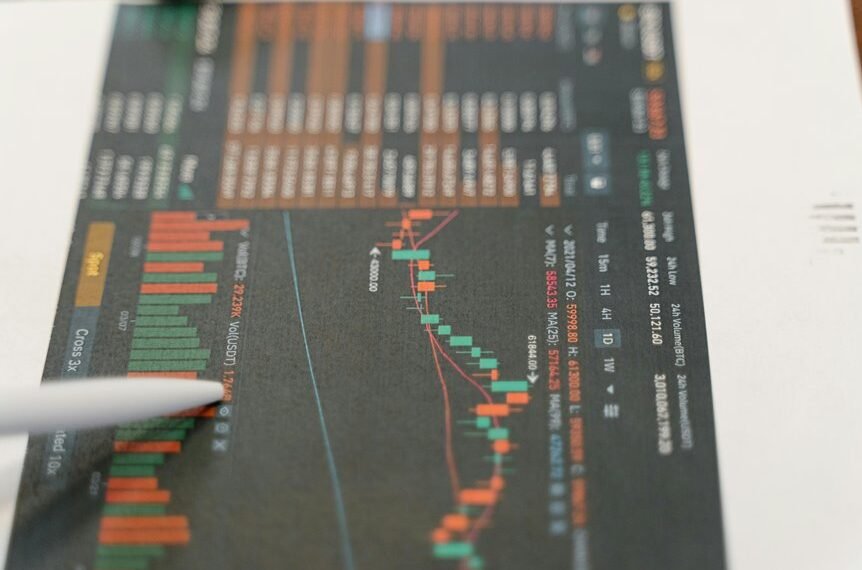
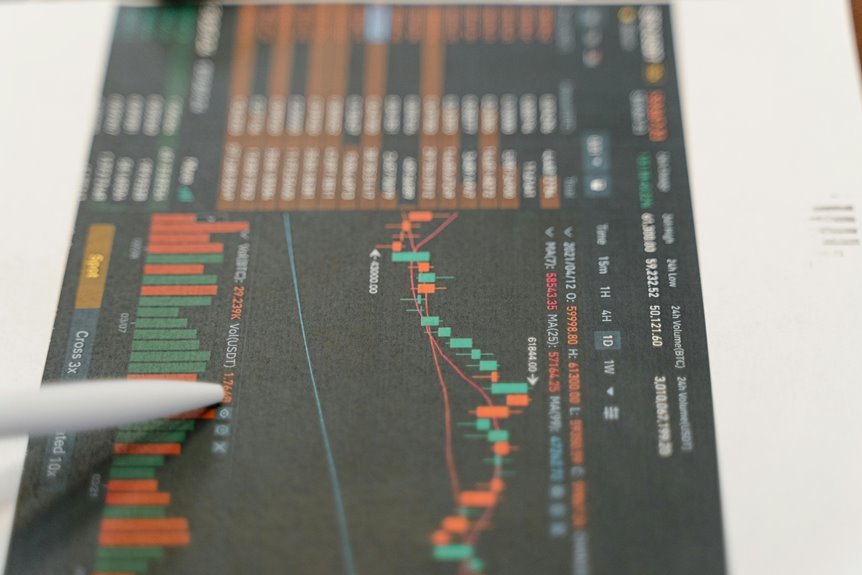
You’ll want to focus on chart patterns, as they reveal potential price movements.
Additionally, momentum strategies can help you capitalize on trends, allowing you to make timely decisions.
Impact of Global Events on Stock Prices
Global events can significantly sway stock prices, often leading to rapid market fluctuations.
Geopolitical tensions can create uncertainty, prompting investors to reassess risks and adjust portfolios.
Similarly, currency fluctuations can impact international trade, affecting earnings for multinational companies.
Staying informed about these elements helps you navigate the stock market effectively, allowing you to make decisions that align with your financial freedom goals.
Conclusion
In conclusion, as you navigate the tumultuous waters of international trading, remember that the interplay of economic indicators and global events can shape markets like a master sculptor chiseling a masterpiece. While the stakes may seem sky-high, your ability to adapt and strategize positions you at the forefront of opportunity. Embrace the dynamic nature of the global economy, and you might just uncover treasures amidst the chaos, turning potential pitfalls into golden prospects for your investment portfolio.