Like a chessboard shifting with each strategic move, the global political landscape is undergoing rapid transformations. These changes are influencing economic trends, particularly in inflation and monetary policies. Furthermore, social movements are gaining traction, advocating for equity and sustainability. As these dynamics unfold, the implications for climate action and grassroots initiatives become increasingly critical. What does this mean for the future of international relations and economic stability?
Major Political Developments
As political landscapes shift rapidly around the globe, you may find it crucial to stay informed about the latest developments.
Emerging political alliances are reshaping power dynamics, while electoral reforms aim to enhance democratic processes.
Understanding these changes can empower you to engage more effectively in discussions about governance and individual freedoms, ensuring that you remain proactive in advocating for a more equitable political environment.
Global Economic Trends
Political shifts often have tangible effects on global economic trends. As nations navigate economic recovery, inflation concerns rise, impacting consumer confidence and spending.
You’ll notice that central banks may adjust interest rates in response to these pressures. Monitoring these shifts is crucial; they influence investment strategies and overall market stability.
Understanding these dynamics helps you make informed decisions in an unpredictable economic landscape.
Social Movements and Initiatives
While social movements and initiatives can emerge from various societal needs, their impact is often profound and far-reaching.
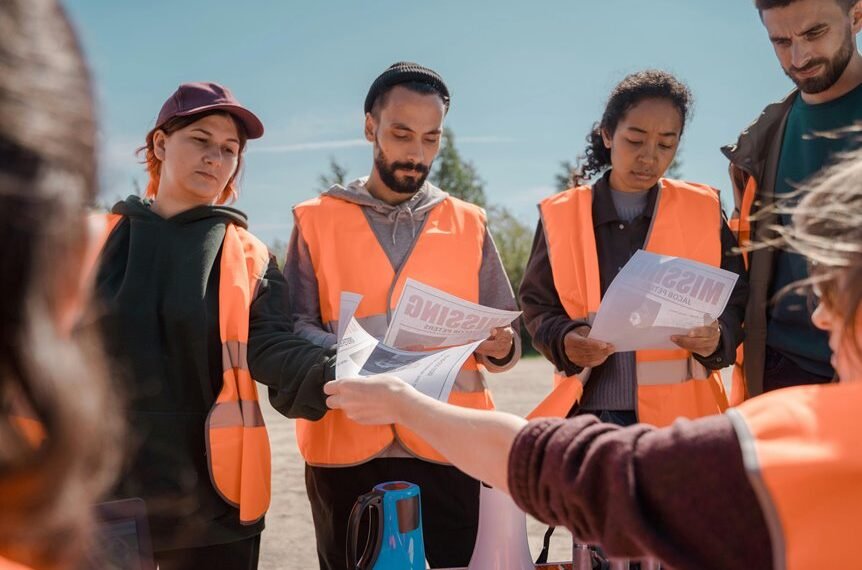
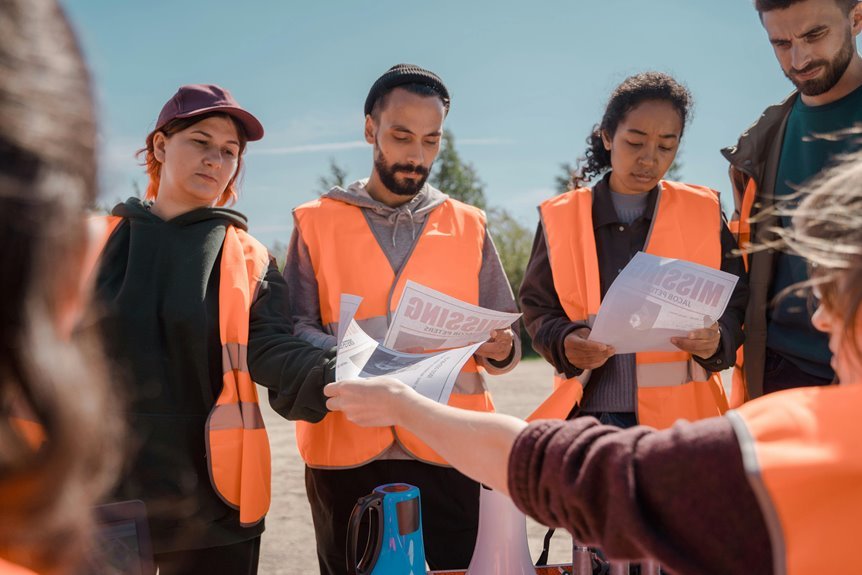
You’ll notice that grassroots activism plays a crucial role in driving change, fostering community engagement.
Digital mobilization enhances these efforts, allowing individuals to connect and organize swiftly.
Together, they empower people to challenge injustices and advocate for freedom, shaping a more equitable society.
Environmental Updates and Challenges
Environmental challenges continue to escalate, affecting ecosystems and communities worldwide.
You’re witnessing a pressing need for climate action and pollution control as global temperatures rise and waste accumulates.
Governments and organizations must prioritize sustainable practices to combat these issues.
Engaging in proactive measures not only fosters environmental resilience but also empowers individuals to reclaim their rights to a healthier planet, ensuring a future for all.
Conclusion
In light of the shifting political landscapes and emerging alliances, it’s clear that these changes ripple through global economies, impacting inflation and central bank policies. As social movements rally for equity and sustainability, they act like a rising tide, lifting all boats toward a more just future. The urgency of climate challenges demands a collective response, and it’s crucial that we engage actively in these dialogues, shaping a world that prioritizes both people and the planet.